
Share this
Key Takeaways
- Sightline 2027 was Loadsmart’s first annual event for Enterprise Shippers.
- The session covered deciding what AI owns based on the work, data, and risk.
- AI handling routine loads lets your most experienced people’s work reach further.
- Start with one experienced teammate, one conversation, and one workflow.
Most transportation teams were built around people holding freight together, making the calls and connecting shippers, carriers, facilities, and customers when something goes wrong. A transportation management system (TMS) like ShipperGuide gives teams one place to plan, procure, and execute freight, and AI is now starting to take on more of the work that comes after.
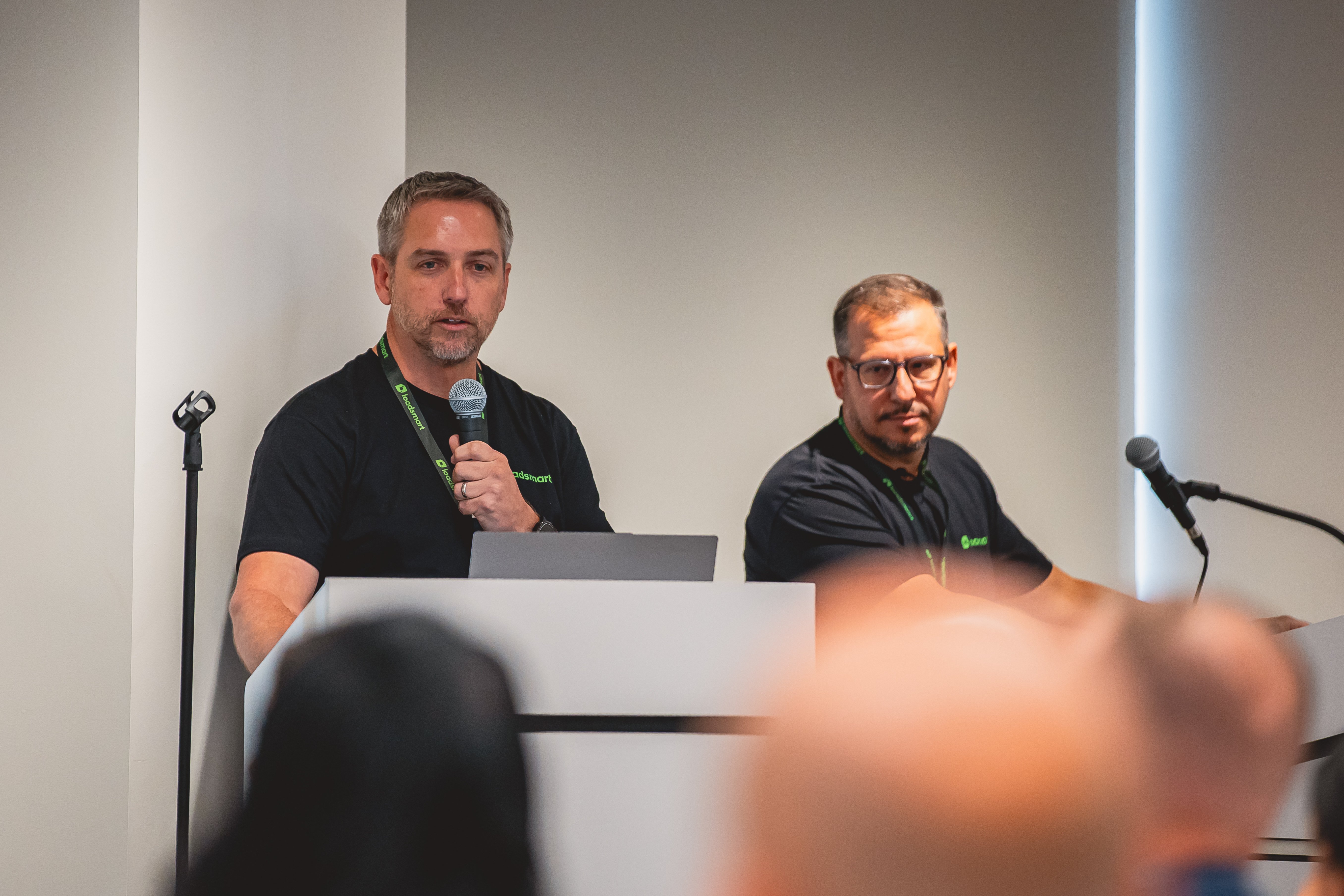
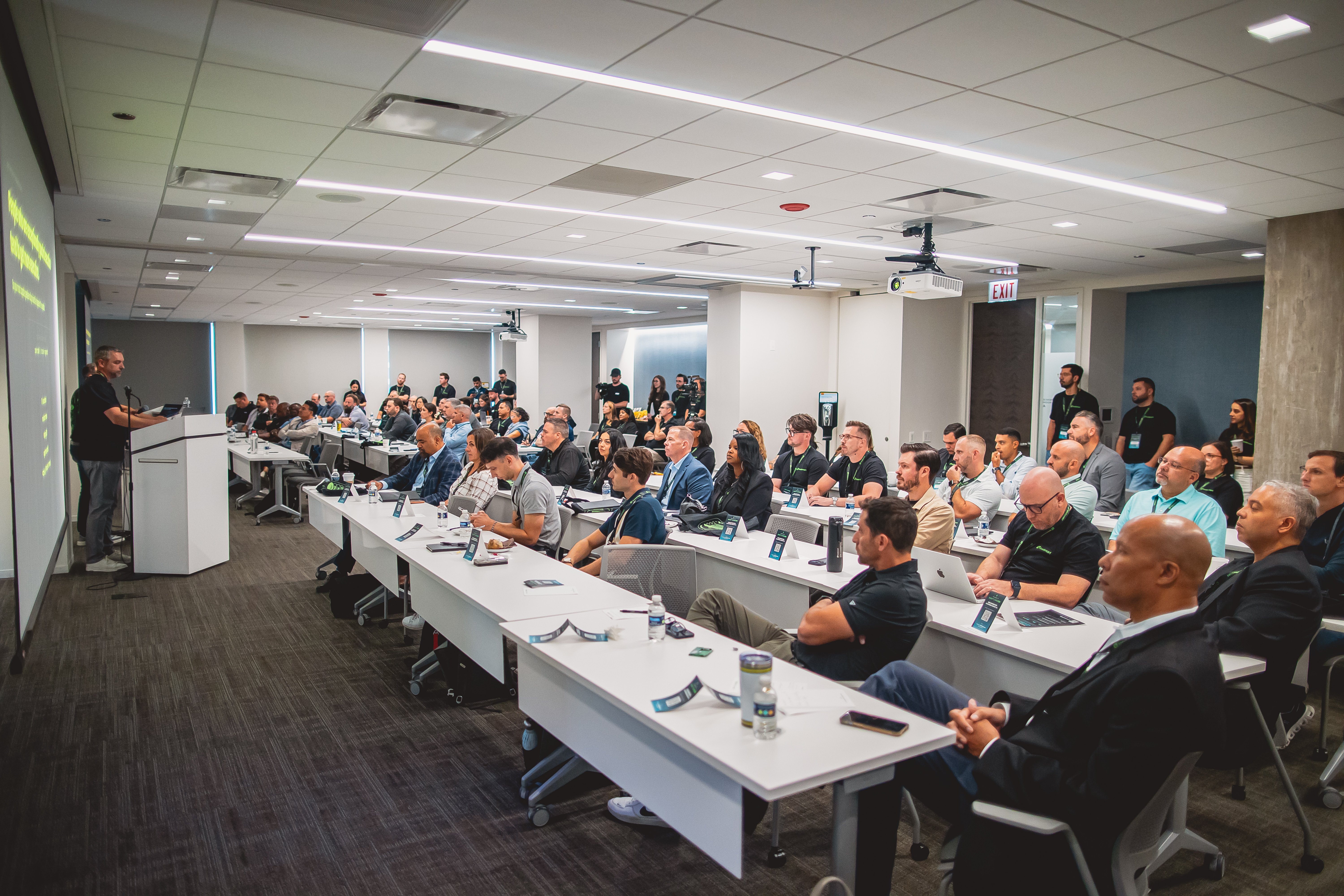
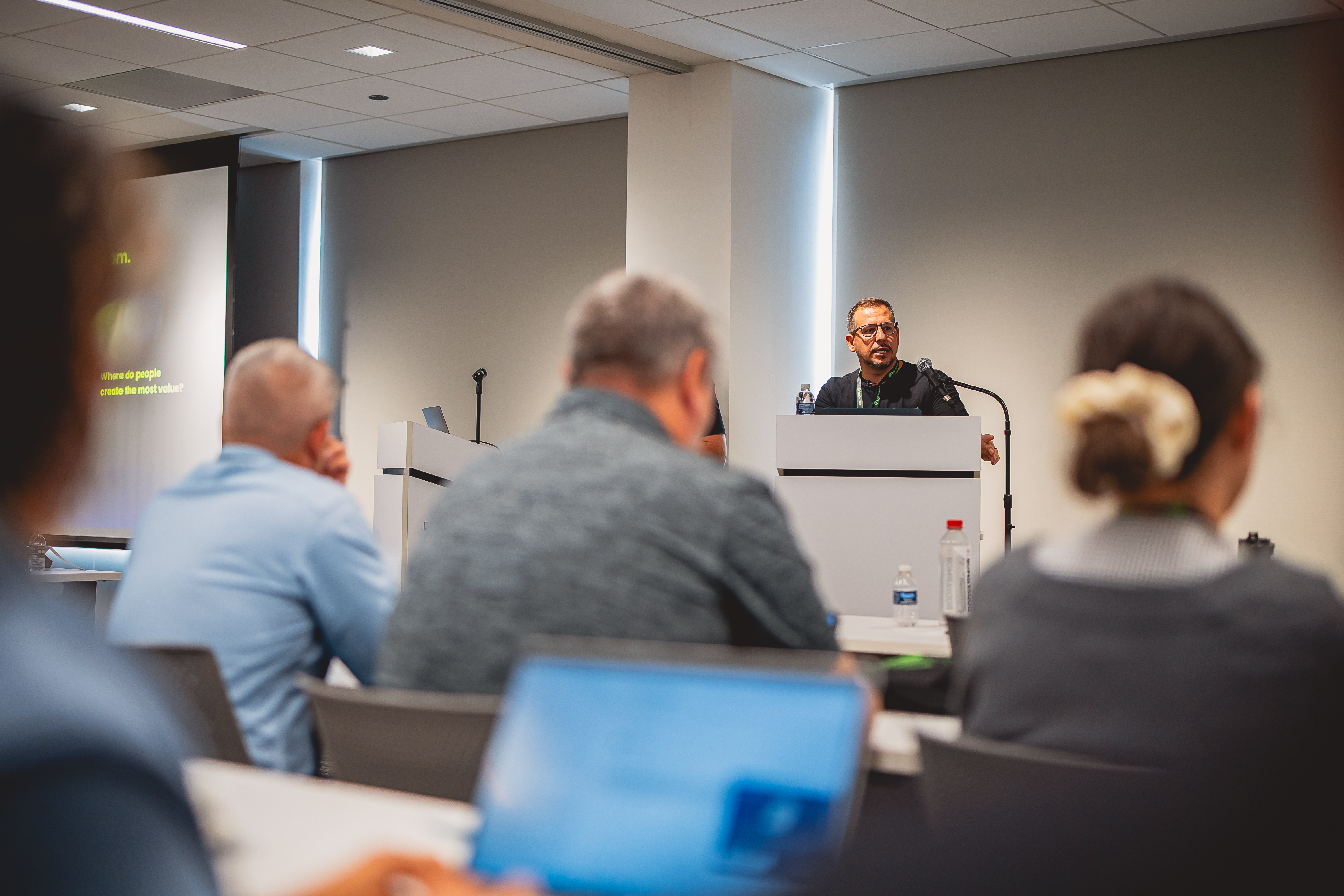
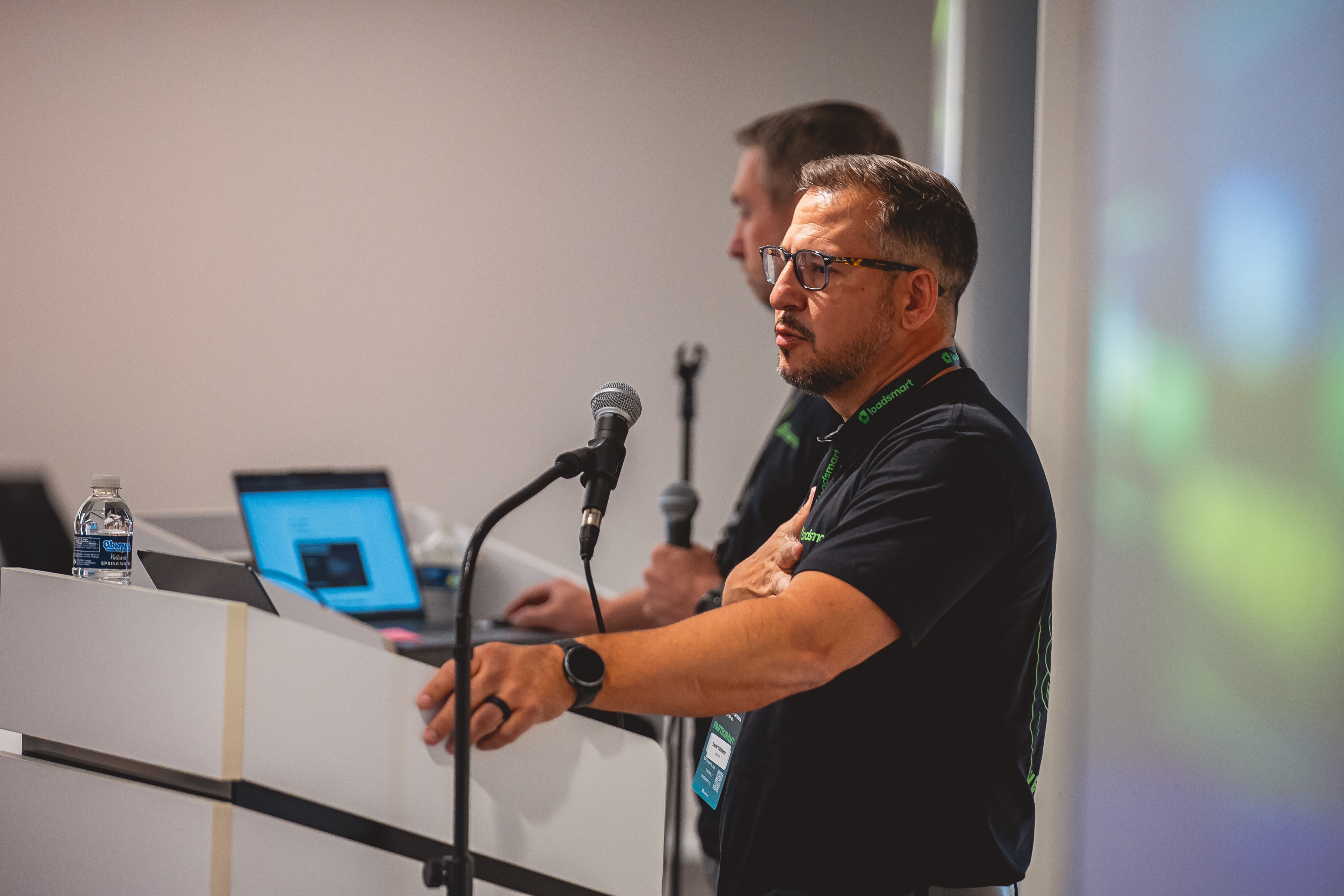
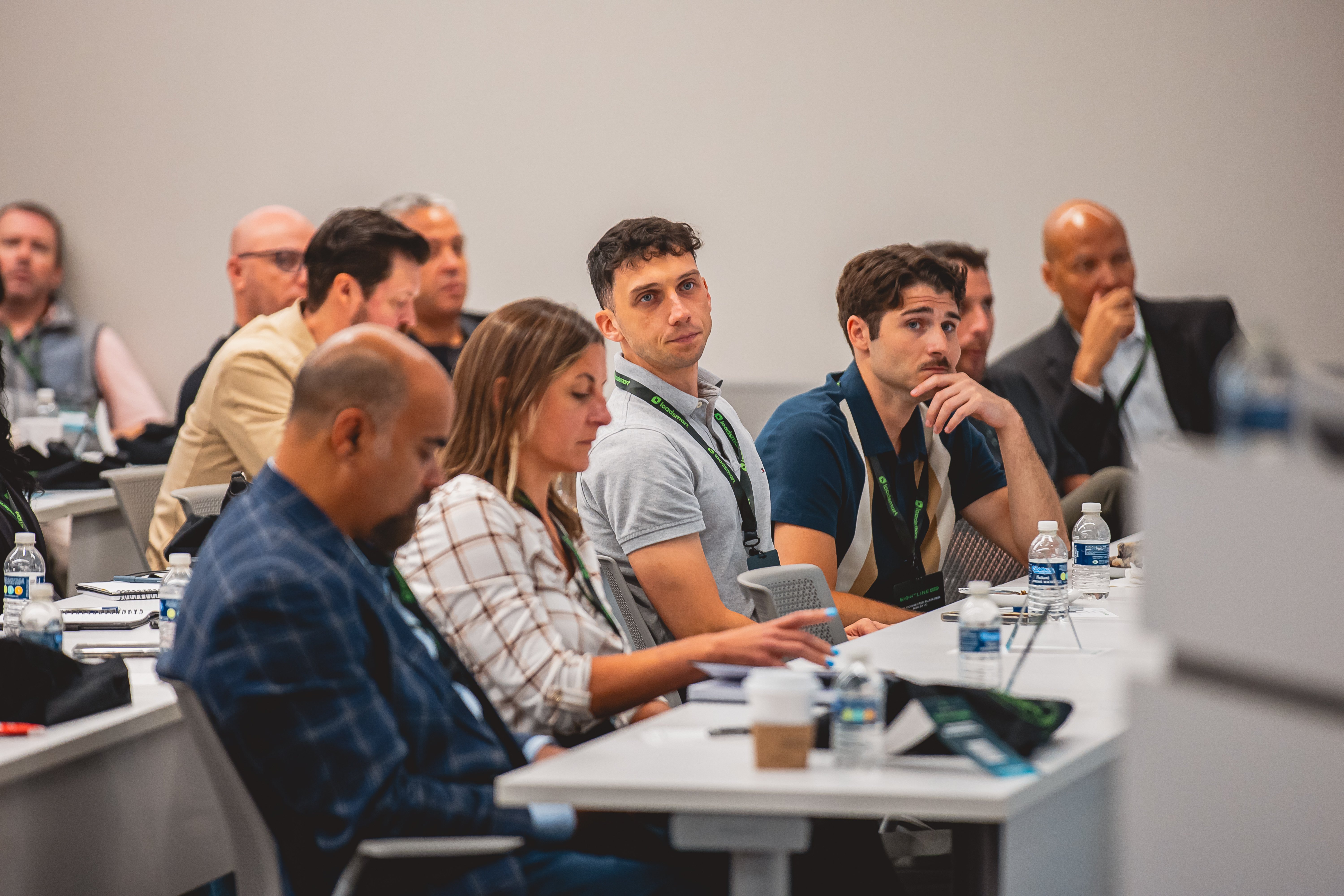
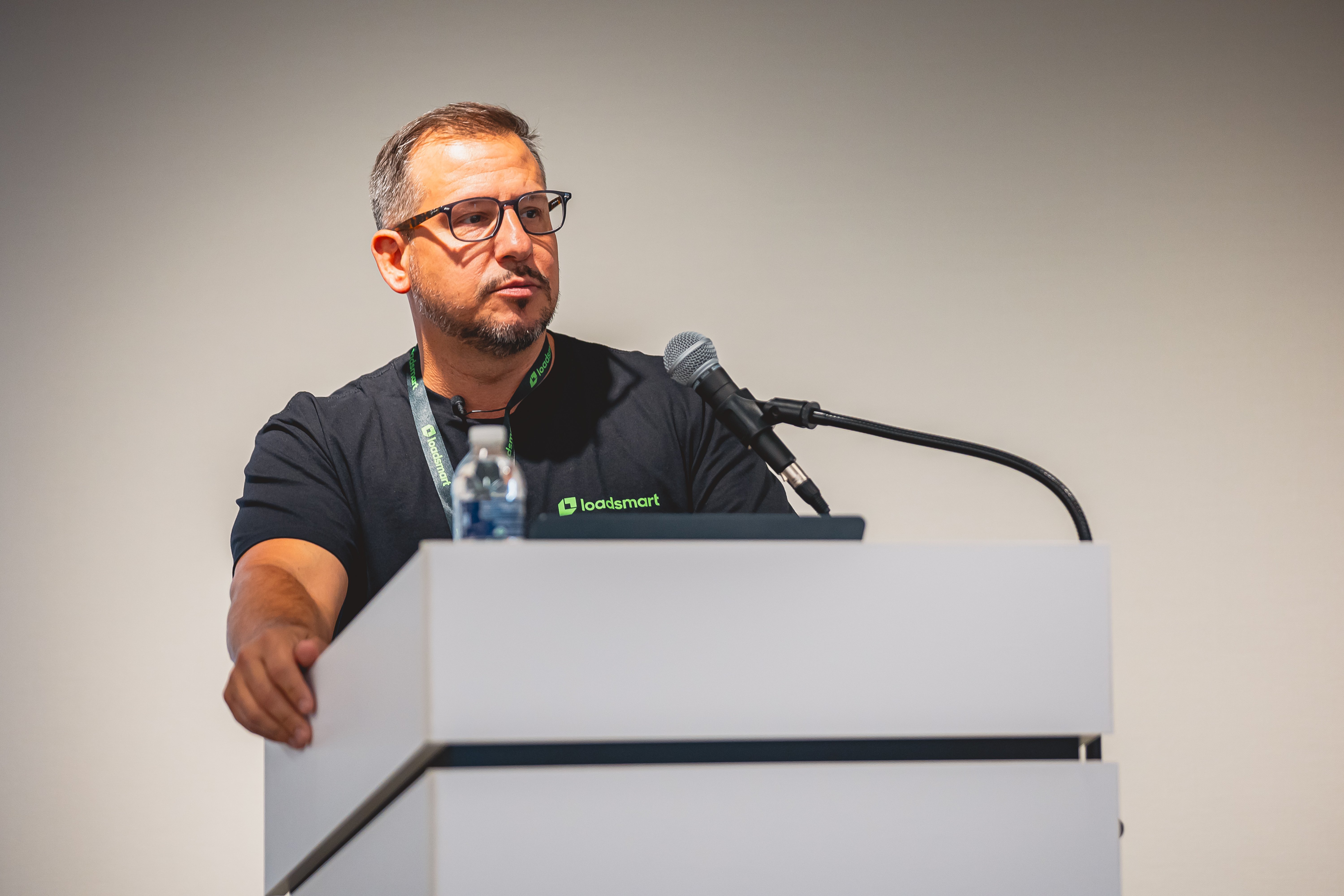
At Sightline 2027, held at our Chicago headquarters on September 16th, 2026, Derek Taliaferro and Michael Evans, Directors of Strategic Accounts at Loadsmart, talked about what AI freight operations mean for the people doing the work. They framed the session around three questions for transportation leaders:
- What should your team still own?
- What should technology execute?
- Where do your people create the most value?
The full recording is below.
Why Do Transportation Organizations Look the Way They Do?
Transportation organizations were built as rational responses to what moving freight has historically taken, and Derek said none of it was built at random. Shippers own their transportation strategy, from carriers to routing guide, but Derek said deciding what needs to happen and making it happen are two very different things. Execution is fragmented across shippers, carriers, facilities, and customers, so when something goes wrong, someone has to figure out what happened and decide what's next.
Software helped, from TMS platforms and dock scheduling platforms to APIs (application programming interfaces) and EDI (electronic data interchange) that move data between systems.
Derek used a late truck to show what's left. Technology shows where the truck is, but someone still has to call the receiver and work out whether a must-arrive-by date (MABD) gets missed. When a load needs interpretation and decisions, Derek said it still falls back to people, and AI is now starting to cross that bridge between information and action.
What Should AI Own in a Freight Operation?
What AI should own depends on the nature of the work, the information available, and the risk, and Michael said just because AI can handle something doesn't mean that it should. The more information AI can reach in your TMS and ERP (enterprise resource planning) systems, the more you can use it.
When he was director of digital adoption for ShipperGuide, Michael placed new customers on a transportation maturity spectrum:
- At one end, shippers running on phones, email, and spreadsheets
- At the other, best-in-class organizations with integrated systems, mature processes, and strong discipline around compliance and carrier performance
He suggested starting with the happy path, meaning high-volume, repetitive tasks where the outcome is clear and the risk is relatively manageable. Processes will never be 100% automated, he said, but technology reliably handling 50 or 60% of a task has an impact.
His example was facility outreach, which customers have called a major pain point. An AI agent can contact a facility by email or phone when an event you pick happens, within boundaries each customer sets.
Setting those boundaries takes people who know the business, which is where Derek picked up.
Who Should Set the Boundaries for AI?
The people who should set those boundaries are what Derek called your rock stars, who know your customers, carriers, and systems. They take ownership of everything they touch, which limits their impact to what they can personally handle.
When AI starts to remove their need to be a part of every single load, every exception, every challenge, now their experience starts to have reach.

Derek Taliaferro
Director of Strategic Accounts, Loadsmart
From there, Derek said rock stars can train newer team members and guide how the technology executes the work. Getting them there means capturing the knowledge in their heads first.
Why Does AI Need Business Context?
AI needs a lot of business context to behave the way you want, and Michael said not all of it lives in your systems. A Loadsmart product manager and his team have added thousands of pages of business context to Copilot Tasks in ShipperGuide, so it understands what someone means by a prompt.
Logistics runs on a lot of knowledge that experienced people carry in their heads and never write down. When that knowledge is used to enable an AI agent, Michael said the ROI is exponential.
An agent is capable of applying that knowledge across hundreds of transactions simultaneously.

Michael Evans
Director of Strategic Accounts, Loadsmart
That makes documenting facility instructions, and even a warehouse manager's preferences, more important.
With AI taking on more execution, Derek came back to his opening question.
What Should Transportation Teams Spend Their Time On?
Transportation teams should spend their time on work that's likely already in their job description, Derek said:
- Carrier strategy and relationships
- Analyzing cost and market trends
- Fixing recurring problems
- Measuring and managing service and compliance
Tender acceptance, the share of tendered loads a carrier accepts, was his example. Many shippers measure it against a standard, but finding out why carriers miss it takes time while live loads are on the board. Derek said that while AI creates capacity, the outcome to aim for is what your team does with that capacity once it has it.
Where Should Your Team Start With AI?
Start with one of your rock stars, Michael said: one person, one conversation, one workflow. Ask what keeps pulling them away from their real work, pick one workflow to automate, and bring Loadsmart in to find the friction and set guardrails. Derek added that mapping every workflow becomes daunting, so pick one.
Where Does Loadsmart AI Fit?
Loadsmart AI takes on repetitive freight work. The six AI agents from Sightline 2027: Six Agents, Zero Busywork are available today:
- Scheduling and re-scheduling
- Tracking and status updates
- Document collection and filing
- Tender failures and re-tendering
- Proactive load audits
- Claims processing
For workflows outside these six, our team can scope building a custom AI agent for your team.
Loadsmart is offering three ways to see Loadsmart AI in action on your freight first:
- A personalized demo built on your highest-impact workflow, running on your freight
- A one-day onsite workshop, where we come to you
- A proof of concept working on your data
AI runs your freight, and our experts handle the exceptions.
What Should Enterprise Shippers Do Next?
Enterprise Shippers can use the session's three questions to sort their own freight work before handing any of it to AI:
- List high-volume, repetitive tasks with clear outcomes and manageable risk
- Write down what only your experienced people know, like facility instructions
- Ask one rock star which workflow keeps pulling them away, and start there
You can watch every session on the Sightline 2027 hub, where you can also request the personalized demo, onsite workshop, and proof of concept.
Frequently Asked Questions
What should AI own in freight operations?
Start with high-volume, repetitive tasks where the outcome is clear, the information is available, and the risk is manageable. Michael Evans, Director of Strategic Accounts at Loadsmart, said the nature of the work, the information available, and the risk should guide what AI owns.
What business context does an AI agent need in logistics?
An AI agent needs the knowledge your experienced people carry, like facility instructions and a warehouse manager's preferences. Documenting it lets an AI agent apply it across hundreds of transactions at once instead of one at a time.
How can Enterprise Shippers start using Loadsmart AI?
Loadsmart offers a personalized demo, a one-day onsite workshop, and a proof of concept. Each one shows Loadsmart AI working on your own freight first.