---
title: 7 Red Flags in Freight Brokerage Firms | Loadsmart
description: "Hidden fees, vague quotes and inflated spot rates: seven signs freight brokerage firms use to quietly pad what you pay."
image: https://blog.loadsmart.com/hubfs/260313%20%5BBLOG%20IMAGE%20SOCIAL%5D%207%20Signs%20Your%20Freight%20Broker%20Is%20Taking%20Advantage%20of%20You%20%E2%80%94%20IMAGE%20ONLY.png
---
[](https://loadsmart.com/)
[](https://loadsmart.com/)
[](https://loadsmart.com/)
- [Home](https://blog.loadsmart.com)
- Segment
- [Shipper](https://blog.loadsmart.com/tag/shipper)
- [Carrier](https://blog.loadsmart.com/tag/carrier)
- [Warehouse](https://blog.loadsmart.com/tag/warehouse)
- Interests
- [Data Insights](https://blog.loadsmart.com/tag/data-insights)
- [Market Trends](https://blog.loadsmart.com/tag/market-trends)
- [Thought Leadership](https://blog.loadsmart.com/tag/thought-leadership)
- [News](https://blog.loadsmart.com/tag/news)
- Resources
- [Blogs](https://blog.loadsmart.com/tag/blog)
- [Community](https://community.loadsmart.com/)
- [Case Studies](https://blog.loadsmart.com/tag/case-study)
- [eBooks](https://blog.loadsmart.com/tag/ebook)
- [Videos](https://blog.loadsmart.com/tag/video)
- [Assets](https://blog.loadsmart.com/tag/asset)
- [Signup](https://loadsmart.com/)
[Learn more](https://loadsmart.com/)
[Learn More](https://loadsmart.com/)
[Learn More](https://loadsmart.com/)
- [Home](https://blog.loadsmart.com)
- Segment
- [Shipper](https://blog.loadsmart.com/tag/shipper)
- [Carrier](https://blog.loadsmart.com/tag/carrier)
- [Warehouse](https://blog.loadsmart.com/tag/warehouse)
- Interests
- [Data Insights](https://blog.loadsmart.com/tag/data-insights)
- [Market Trends](https://blog.loadsmart.com/tag/market-trends)
- [Thought Leadership](https://blog.loadsmart.com/tag/thought-leadership)
- [News](https://blog.loadsmart.com/tag/news)
- Resources
- [Blogs](https://blog.loadsmart.com/tag/blog)
- [Community](https://community.loadsmart.com/)
- [Case Studies](https://blog.loadsmart.com/tag/case-study)
- [eBooks](https://blog.loadsmart.com/tag/ebook)
- [Videos](https://blog.loadsmart.com/tag/video)
- [Assets](https://blog.loadsmart.com/tag/asset)
- [Signup](https://loadsmart.com/)
Loadsmart Blog
#### Share this
[Share on X](https://x.com/intent/post?url=https://blog.loadsmart.com/signs-your-freight-broker-is-taking-advantage-of-you&text=7+Red+Flags+in+Freight+Brokerage+Firms+%7C+Loadsmart) [Share on Facebook](https://www.facebook.com/sharer/sharer.php?u=https://blog.loadsmart.com/signs-your-freight-broker-is-taking-advantage-of-you&t=7+Red+Flags+in+Freight+Brokerage+Firms+%7C+Loadsmart) [Share on LinkedIn](https://www.linkedin.com/shareArticle?mini=true&url=https://blog.loadsmart.com/signs-your-freight-broker-is-taking-advantage-of-you&t=7+Red+Flags+in+Freight+Brokerage+Firms+%7C+Loadsmart)
# 7 Signs Your Freight Broker Is Taking Advantage of You
by [**Sarah Fidrych**](https://blog.loadsmart.com/author/sarah-fidrych)
Key Takeaways
- Hidden fees and vague pricing are the two most common signs of a broker problem.
- Capacity scarcity claims should come with specifics, not just pressure to accept.
- Communication that stops after booking leaves the shipper carrying all of the risk.
- A broker who resists rate benchmarking is telling you something about their pricing.
[Freight brokers](https://loadsmart.com/shipper/) play a critical role in helping shippers access carrier capacity and manage their transportation needs. But like any intermediary market, brokerage relationships depend on trust and transparency. If visibility into carrier options, rates, and market conditions is limited, it can be difficult for shippers to evaluate the deal they’re getting.
That’s why managers and leaders in logistics and procurement need to recognize the warning signs of problematic brokerage practices. Even small hidden markups and inconsistencies in communication can inflate both transportation costs and inefficiencies over time. Shippers can protect their budgets and achieve transparent freight partnerships by understanding common red flags.
[.webp?width=1200&height=401&name=shipperguide-blog-cta%20(2).webp)](https://rates.shipperguide.com/?utm_source=loadsmart&utm_medium=banner&utm_campaign=brokers-brokerages-loadsmart-shipperguide-q3-26&utm_content=signs-your-freight-broker-is-taking-advantage-of-you)
## Sign #1: Are Hidden Fees Showing Up After the Fact?
Unexpected fees appearing after a shipment is completed are one of the most common warning signs of an unreliable broker. While legitimate [accessorial charges](https://blog.shipperguide.com/freight-accessorial-charges) like detention or liftgate service can occur, they should be clearly communicated in advance. Some brokers rely on vague contract language to introduce additional charges once the shipment is in transit or completed.
These fees often appear as administrative costs or unexplained line items that were not discussed during the quoting process. If this happens consistently, it becomes difficult for logistics teams to forecast transportation costs. Over time, these small charges can accumulate and cause significant budget overruns. Transparent brokers provide detailed rate confirmations and explain potential accessorials upfront.
The best brokers address this proactively. Look for partners that provide a single, all-inclusive [invoice](https://blog.shipperguide.com/how-to-audit-freight-invoices) per shipment, covering base rate, fuel, and known accessorials, so there’s no ambiguity about what you’re paying.
## Sign #2: Is the Pricing Vague or Inconsistent?
Another red flag is pricing that seems to change depending on subjective factors such as the contact person, the quoting day, or a shipment’s urgency. When that’s done without a clear explanation tied to market conditions, you might be dealing with an unreliable freight brokerage firm.
While freight rates fluctuate based on [supply and demand](https://blog.loadsmart.com/how-freight-pricing-works), reputable brokers can explain these changes using seasonal trends, capacity constraints, or lane data. If pricing appears arbitrary, it may indicate that the company is adjusting the pricing of its freight broker services opportunistically. For shippers, inconsistent pricing makes it hard to evaluate broker performance or build reliable transportation budgets. Organizations should request clear rate breakdowns, documented quotes, and consistent pricing logic.
Brokers that offer [instant quoting](https://rates.shipperguide.com/?utm_source=loadsmart&utm_medium=cta&utm_campaign=brokers-brokerages-loadsmart-shipperguide-q3-26&utm_content=signs-your-freight-broker-is-taking-advantage-of-you) through digital platforms tend to deliver more consistent pricing because rates are generated from the same data regardless of who handles the request or when.
## Sign #3: Carrier Capacity Games
Some brokers claim that capacity is scarce as a way to justify higher rates. By creating a sense of urgency or limited availability, freight brokerage firms can pressure shippers into accepting inflated prices. While capacity shortages do happen, experienced brokers typically provide the context behind them.
Seasonal demand spikes, weather-related disruptions, and regional imbalances are common reasons for capacity shortages. However, if a broker often claims unrealistic scenarios, such as only one available truck, this can be a tactic to squeeze shippers into accepting a higher price. Companies need to find reliable transportation partners that offer honest [freight broker services](https://blog.loadsmart.com/what-is-a-freight-broker). These organizations focus on solving capacity challenges rather than using them as leverage.
Trustworthy brokers can substantiate capacity claims with specifics, network size, lane coverage, and backup capacity options. Ask your broker to explain their network depth in the lanes where they claim capacity is constrained.
## Sign #4: Is Your Broker Avoiding Pricing Transparency?
If a broker will not explain how a rate was built, that silence is itself the warning sign. Transparency is one of the strongest indicators of a trustworthy broker relationship. When brokers refuse to provide basic pricing context or avoid discussing how rates are formed, it may signal that margins are higher than expected. Some freight brokerage firms intentionally limit information about market averages, carrier costs, or lane benchmarks.
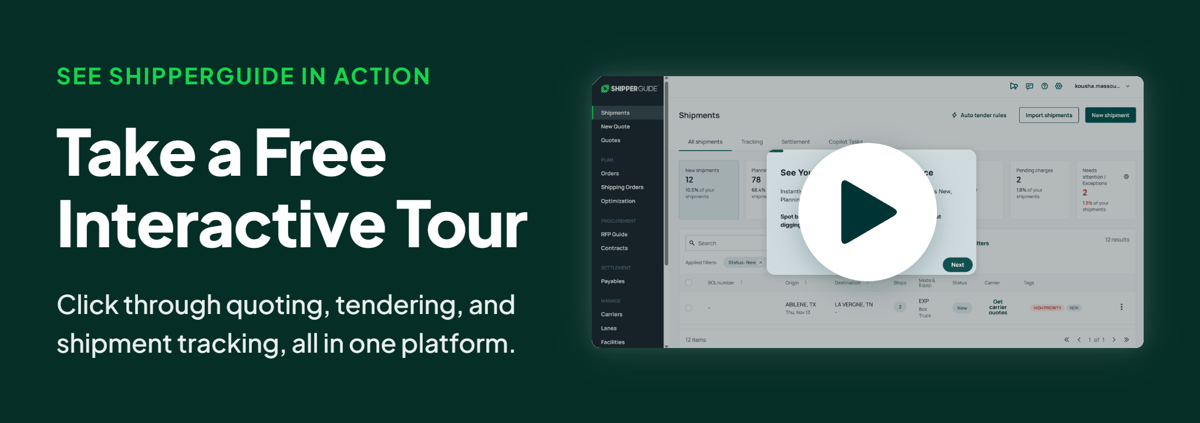
That way, it’s harder for shippers to understand if a quote reflects competitive market pricing. While organizations deserve to earn a fair margin for their freight broker services, the lack of transparency can damage relationships in the long run. That’s why modern freight technology platforms allow shippers to [compare rates and gain visibility into pricing trends](https://blog.loadsmart.com/how-to-benchmark-negotiate).
[](https://loadsmart.navattic.com/tkr0269)
## Sign #5: Does Communication Drop Off After Booking?
Some brokers may be highly responsive during the quoting and booking phase, but become hard to reach once the shipment is underway. Unanswered emails, missing tracking information, and delayed updates create operational risks as shippers may be unable to respond to unexpected disruptions.
To avoid this, shippers should look for freight brokerage firms that maintain communication throughout the shipment lifecycle and provide proactive updates.
Define your visibility expectations upfront. At minimum, expect:
- [GPS-based tracking](https://blog.shipperguide.com/real-time-shipment-tracking)
- [Automated milestone alerts](https://loadsmart.com/ai/tracking-and-status-updates/)
- A dedicated point of contact
For specialized freight, the standard should be higher: temperature monitoring for refrigerated loads, photo documentation for expedited shipments, and 24/7 support for time-sensitive moves.
## Sign #6: Inflated Spot Rates with No Market Context
[Spot market rates](https://blog.shipperguide.com/spot-freight) fluctuate constantly, but reputable freight brokerage firms typically use market data to explain pricing shifts. If quotes often appear significantly higher than industry benchmarks, this may indicate excessive broker markups. Access to comparative rate data and multi-carrier quoting tools helps shippers validate whether the price they’re paying for freight broker services is reasonable.
Instant quoting tools that pull real-time market data provide a built-in check against inflated spot rates. When you can see what the market is doing on a lane in real time, it’s immediately obvious when a quote is out of range.
## Sign #7: Resistance to Rate Benchmarking
One of the clearest signs of a problematic broker relationship is resistance to [benchmarking](https://blog.shipperguide.com/freight-benchmarking). If a broker discourages rate comparisons or reacts negatively when shippers seek alternatives, it may indicate that their pricing is not competitive. To establish a healthy shipper-broker relationship, both parties should welcome benchmarking because it reinforces fair pricing and provides insights into market conditions.
## Make It Impossible for Brokers to Hide Their Rates
The most effective defense against overcharging is structural: bring all your broker quotes into one system where pricing can be evaluated in context. The fastest way to test a suspicious quote is to put a second one next to it. Pull a live rate on the same lane, compare them side by side, and the outliers show themselves.
[](https://loadsmart.com/contact/#contact-form)
## Frequently Asked Questions
### How Do I Know If My Freight Broker Is Overcharging Me?
Comparing quotes across multiple brokers on the same lane, equipment type, and timing is the most direct method. Use your own shipment history as a primary benchmark. Also consider whether you're benchmarking across modes, since a lane quoted as truckload might be significantly cheaper via intermodal.
### What Should I Do If I Suspect My Broker Is Acting in Bad Faith?
The first step is to request detailed pricing explanations and documentation for unexpected fees. A transparent broker should be able to explain how the rate was calculated easily. Gathering competitive quotes or using freight comparison tools can provide further clarity.
### Can I Switch Brokers Mid-Contract?
That depends on contract terms and can vary between different brokers or shippers. Some agreements include exclusivity clauses that may limit changes. In other cases, shippers can easily shift to alternative freight brokerage firms without any problems.
Topics: [Freight Brokers/Brokerages](https://blog.loadsmart.com/tag/freight-brokers-brokerages)
#### Share this
[Share on X](https://x.com/intent/post?url=https://blog.loadsmart.com/signs-your-freight-broker-is-taking-advantage-of-you&text=7+Red+Flags+in+Freight+Brokerage+Firms+%7C+Loadsmart) [Share on Facebook](https://www.facebook.com/sharer/sharer.php?u=https://blog.loadsmart.com/signs-your-freight-broker-is-taking-advantage-of-you&t=7+Red+Flags+in+Freight+Brokerage+Firms+%7C+Loadsmart) [Share on LinkedIn](https://www.linkedin.com/shareArticle?mini=true&url=https://blog.loadsmart.com/signs-your-freight-broker-is-taking-advantage-of-you&t=7+Red+Flags+in+Freight+Brokerage+Firms+%7C+Loadsmart)
- Recent
- Topics
- Archive
Recent
Topics
- [Loadsmart Blog (160)](https://blog.loadsmart.com/tag/loadsmart-blog)
- [Blog (121)](https://blog.loadsmart.com/tag/blog)
- [Shipper (107)](https://blog.loadsmart.com/tag/shipper)
- [Market Trends (101)](https://blog.loadsmart.com/tag/market-trends)
- [Enterprise Shipper (69)](https://blog.loadsmart.com/tag/enterprise-shipper)
- [Carrier (66)](https://blog.loadsmart.com/tag/carrier)
- [Data Insights (51)](https://blog.loadsmart.com/tag/data-insights)
- [Thought Leadership (45)](https://blog.loadsmart.com/tag/thought-leadership)
- [Warehouse (42)](https://blog.loadsmart.com/tag/warehouse)
- [SMB Shipper (38)](https://blog.loadsmart.com/tag/smb-shipper)
- [Our Partners (34)](https://blog.loadsmart.com/tag/our-partners)
- [ShipperGuide TMS (32)](https://blog.loadsmart.com/tag/shipperguide-tms)
- [Opendock (31)](https://blog.loadsmart.com/tag/opendock)
- [Product Updates (29)](https://blog.loadsmart.com/tag/product-updates)
- [Mode Optimization (25)](https://blog.loadsmart.com/tag/mode-optimization)
- [Loadsmart (23)](https://blog.loadsmart.com/tag/loadsmart)
- [Freight Brokers/Brokerages (22)](https://blog.loadsmart.com/tag/freight-brokers-brokerages)
- [Case Study (18)](https://blog.loadsmart.com/tag/case-study)
- [Mid-Market Shipper (18)](https://blog.loadsmart.com/tag/mid-market-shipper)
- [Brokerage Services (15)](https://blog.loadsmart.com/tag/brokerage-services)
- [Managed Transportation (11)](https://blog.loadsmart.com/tag/managed-transportation)
- [Featured (9)](https://blog.loadsmart.com/tag/featured)
- [Video (9)](https://blog.loadsmart.com/tag/video)
- [Award (7)](https://blog.loadsmart.com/tag/award)
- [FreightIntel AI (5)](https://blog.loadsmart.com/tag/freightintel-ai)
- [Instant Execution (4)](https://blog.loadsmart.com/tag/instant-execution)
- [Asset (3)](https://blog.loadsmart.com/tag/asset)
- [Food and Beverage (3)](https://blog.loadsmart.com/tag/food-and-beverage)
- [Freight Management (3)](https://blog.loadsmart.com/tag/freight-management)
- [Logistics Solutions (3)](https://blog.loadsmart.com/tag/logistics-solutions)
- [YMS (3)](https://blog.loadsmart.com/tag/yms)
- [eBook (3)](https://blog.loadsmart.com/tag/ebook)
- [4PL (2)](https://blog.loadsmart.com/tag/4pl)
- [Events (2)](https://blog.loadsmart.com/tag/events)
- [International (2)](https://blog.loadsmart.com/tag/international)
- [NavTrac (2)](https://blog.loadsmart.com/tag/navtrac)
- [Podcast (2)](https://blog.loadsmart.com/tag/podcast)
- [UK (2)](https://blog.loadsmart.com/tag/uk)
- [Yard Management System (2)](https://blog.loadsmart.com/tag/yard-management-system)
- [Cold Storage (1)](https://blog.loadsmart.com/tag/cold-storage)
- [Faces of Loadsmart (1)](https://blog.loadsmart.com/tag/faces-of-loadsmart)
- [News (1)](https://blog.loadsmart.com/tag/news)
- [Paper Packaging (1)](https://blog.loadsmart.com/tag/paper-packaging)
- [Retail (1)](https://blog.loadsmart.com/tag/retail)
- [Security (1)](https://blog.loadsmart.com/tag/security)
- [Transportation Management System (1)](https://blog.loadsmart.com/tag/transportation-management-system)
See all
Archive
- [September 2026 (2)](https://blog.loadsmart.com/archive/2026/09)
- [August 2026 (8)](https://blog.loadsmart.com/archive/2026/08)
- [July 2026 (1)](https://blog.loadsmart.com/archive/2026/07)
- [June 2026 (1)](https://blog.loadsmart.com/archive/2026/06)
- [May 2026 (1)](https://blog.loadsmart.com/archive/2026/05)
- [April 2026 (19)](https://blog.loadsmart.com/archive/2026/04)
- [March 2026 (3)](https://blog.loadsmart.com/archive/2026/03)
- [January 2026 (1)](https://blog.loadsmart.com/archive/2026/01)
- [December 2025 (1)](https://blog.loadsmart.com/archive/2025/12)
- [November 2025 (1)](https://blog.loadsmart.com/archive/2025/11)
- [October 2025 (2)](https://blog.loadsmart.com/archive/2025/10)
- [September 2025 (1)](https://blog.loadsmart.com/archive/2025/09)
- [August 2025 (1)](https://blog.loadsmart.com/archive/2025/08)
- [July 2025 (1)](https://blog.loadsmart.com/archive/2025/07)
- [June 2025 (1)](https://blog.loadsmart.com/archive/2025/06)
- [May 2025 (7)](https://blog.loadsmart.com/archive/2025/05)
- [April 2025 (6)](https://blog.loadsmart.com/archive/2025/04)
- [March 2025 (3)](https://blog.loadsmart.com/archive/2025/03)
- [February 2025 (10)](https://blog.loadsmart.com/archive/2025/02)
- [January 2025 (4)](https://blog.loadsmart.com/archive/2025/01)
- [December 2024 (4)](https://blog.loadsmart.com/archive/2024/12)
- [November 2024 (5)](https://blog.loadsmart.com/archive/2024/11)
- [October 2024 (11)](https://blog.loadsmart.com/archive/2024/10)
- [September 2024 (11)](https://blog.loadsmart.com/archive/2024/09)
- [August 2024 (5)](https://blog.loadsmart.com/archive/2024/08)
- [July 2024 (5)](https://blog.loadsmart.com/archive/2024/07)
- [June 2024 (9)](https://blog.loadsmart.com/archive/2024/06)
- [May 2024 (7)](https://blog.loadsmart.com/archive/2024/05)
- [April 2024 (6)](https://blog.loadsmart.com/archive/2024/04)
- [March 2024 (2)](https://blog.loadsmart.com/archive/2024/03)
- [February 2024 (2)](https://blog.loadsmart.com/archive/2024/02)
- [January 2024 (5)](https://blog.loadsmart.com/archive/2024/01)
- [December 2023 (6)](https://blog.loadsmart.com/archive/2023/12)
- [November 2023 (2)](https://blog.loadsmart.com/archive/2023/11)
- [October 2023 (12)](https://blog.loadsmart.com/archive/2023/10)
- [September 2023 (5)](https://blog.loadsmart.com/archive/2023/09)
- [August 2023 (3)](https://blog.loadsmart.com/archive/2023/08)
- [July 2023 (4)](https://blog.loadsmart.com/archive/2023/07)
- [June 2023 (10)](https://blog.loadsmart.com/archive/2023/06)
- [May 2023 (5)](https://blog.loadsmart.com/archive/2023/05)
- [April 2023 (5)](https://blog.loadsmart.com/archive/2023/04)
- [March 2023 (7)](https://blog.loadsmart.com/archive/2023/03)
- [February 2023 (5)](https://blog.loadsmart.com/archive/2023/02)
- [January 2023 (7)](https://blog.loadsmart.com/archive/2023/01)
- [December 2022 (4)](https://blog.loadsmart.com/archive/2022/12)
- [November 2022 (13)](https://blog.loadsmart.com/archive/2022/11)
- [October 2022 (4)](https://blog.loadsmart.com/archive/2022/10)
- [September 2022 (7)](https://blog.loadsmart.com/archive/2022/09)
- [August 2022 (11)](https://blog.loadsmart.com/archive/2022/08)
- [July 2022 (6)](https://blog.loadsmart.com/archive/2022/07)
- [June 2022 (5)](https://blog.loadsmart.com/archive/2022/06)
- [May 2022 (2)](https://blog.loadsmart.com/archive/2022/05)
- [April 2022 (4)](https://blog.loadsmart.com/archive/2022/04)
- [March 2022 (6)](https://blog.loadsmart.com/archive/2022/03)
- [February 2022 (7)](https://blog.loadsmart.com/archive/2022/02)
- [January 2022 (9)](https://blog.loadsmart.com/archive/2022/01)
- [December 2021 (3)](https://blog.loadsmart.com/archive/2021/12)
- [November 2021 (5)](https://blog.loadsmart.com/archive/2021/11)
- [October 2021 (7)](https://blog.loadsmart.com/archive/2021/10)
- [September 2021 (2)](https://blog.loadsmart.com/archive/2021/09)
- [August 2021 (2)](https://blog.loadsmart.com/archive/2021/08)
- [July 2021 (4)](https://blog.loadsmart.com/archive/2021/07)
- [June 2021 (6)](https://blog.loadsmart.com/archive/2021/06)
- [May 2021 (6)](https://blog.loadsmart.com/archive/2021/05)
- [April 2021 (5)](https://blog.loadsmart.com/archive/2021/04)
- [March 2021 (8)](https://blog.loadsmart.com/archive/2021/03)
- [February 2021 (3)](https://blog.loadsmart.com/archive/2021/02)
- [January 2021 (3)](https://blog.loadsmart.com/archive/2021/01)
- [December 2020 (7)](https://blog.loadsmart.com/archive/2020/12)
- [November 2020 (9)](https://blog.loadsmart.com/archive/2020/11)
- [October 2020 (7)](https://blog.loadsmart.com/archive/2020/10)
- [September 2020 (6)](https://blog.loadsmart.com/archive/2020/09)
- [August 2020 (10)](https://blog.loadsmart.com/archive/2020/08)
- [July 2020 (8)](https://blog.loadsmart.com/archive/2020/07)
- [June 2020 (3)](https://blog.loadsmart.com/archive/2020/06)
- [May 2020 (1)](https://blog.loadsmart.com/archive/2020/05)
- [April 2020 (2)](https://blog.loadsmart.com/archive/2020/04)
- [March 2020 (2)](https://blog.loadsmart.com/archive/2020/03)
- [February 2020 (1)](https://blog.loadsmart.com/archive/2020/02)
- [January 2020 (1)](https://blog.loadsmart.com/archive/2020/01)
- [November 2019 (2)](https://blog.loadsmart.com/archive/2019/11)
- [October 2019 (1)](https://blog.loadsmart.com/archive/2019/10)
- [September 2019 (2)](https://blog.loadsmart.com/archive/2019/09)
- [August 2019 (3)](https://blog.loadsmart.com/archive/2019/08)
- [July 2019 (2)](https://blog.loadsmart.com/archive/2019/07)
- [June 2019 (2)](https://blog.loadsmart.com/archive/2019/06)
- [May 2019 (3)](https://blog.loadsmart.com/archive/2019/05)
- [March 2019 (1)](https://blog.loadsmart.com/archive/2019/03)
- [February 2019 (3)](https://blog.loadsmart.com/archive/2019/02)
- [December 2018 (1)](https://blog.loadsmart.com/archive/2018/12)
- [November 2018 (2)](https://blog.loadsmart.com/archive/2018/11)
- [October 2018 (1)](https://blog.loadsmart.com/archive/2018/10)
- [September 2018 (2)](https://blog.loadsmart.com/archive/2018/09)
- [August 2018 (1)](https://blog.loadsmart.com/archive/2018/08)
- [July 2018 (1)](https://blog.loadsmart.com/archive/2018/07)
- [June 2018 (3)](https://blog.loadsmart.com/archive/2018/06)
- [May 2018 (4)](https://blog.loadsmart.com/archive/2018/05)
- [April 2018 (1)](https://blog.loadsmart.com/archive/2018/04)
- [February 2018 (1)](https://blog.loadsmart.com/archive/2018/02)
- [January 2018 (4)](https://blog.loadsmart.com/archive/2018/01)
- [November 2017 (1)](https://blog.loadsmart.com/archive/2017/11)
- [October 2017 (2)](https://blog.loadsmart.com/archive/2017/10)
- [June 2017 (1)](https://blog.loadsmart.com/archive/2017/06)
- [May 2017 (2)](https://blog.loadsmart.com/archive/2017/05)
- [April 2017 (1)](https://blog.loadsmart.com/archive/2017/04)
- [February 2017 (1)](https://blog.loadsmart.com/archive/2017/02)
- [January 2017 (2)](https://blog.loadsmart.com/archive/2017/01)
- [October 2016 (1)](https://blog.loadsmart.com/archive/2016/10)
- [August 2016 (1)](https://blog.loadsmart.com/archive/2016/08)
- [July 2016 (2)](https://blog.loadsmart.com/archive/2016/07)
- [June 2016 (1)](https://blog.loadsmart.com/archive/2016/06)
- [March 2016 (1)](https://blog.loadsmart.com/archive/2016/03)
- [January 2016 (1)](https://blog.loadsmart.com/archive/2016/01)
- [December 2015 (3)](https://blog.loadsmart.com/archive/2015/12)
- [November 2015 (2)](https://blog.loadsmart.com/archive/2015/11)
- [October 2015 (6)](https://blog.loadsmart.com/archive/2015/10)
- [July 2015 (1)](https://blog.loadsmart.com/archive/2015/07)
- [June 2015 (1)](https://blog.loadsmart.com/archive/2015/06)
- [April 2015 (2)](https://blog.loadsmart.com/archive/2015/04)
- [March 2015 (13)](https://blog.loadsmart.com/archive/2015/03)
- [February 2015 (17)](https://blog.loadsmart.com/archive/2015/02)
- [January 2015 (15)](https://blog.loadsmart.com/archive/2015/01)
- [December 2014 (35)](https://blog.loadsmart.com/archive/2014/12)
- [November 2014 (26)](https://blog.loadsmart.com/archive/2014/11)
- [October 2014 (60)](https://blog.loadsmart.com/archive/2014/10)
- [September 2014 (2)](https://blog.loadsmart.com/archive/2014/09)
See all
### Subscribe by email
#### About Loadsmart
Loadsmart is on a mission to transform the future of freight.
We combine cutting edge technology with deep industry expertise to fundamentally change how freight is priced, booked and shipped.
SHIPPERS
- [Shipper Solutions](https://loadsmart.com/shipper/)
- [Managed Transportation](https://loadsmart.com/shipper/managed-transportation/)
- [ShipperGuide TMS](https://loadsmart.com/shipper/shipperguide/)
- [Private Fleet Optimizer](https://lp.loadsmart.com/loadsmart-fleet-optimization)
- [Flatbed messenger](https://loadsmart.com/shipper/flatbed-messenger/)
CARRIERS
- [Carrier Solutions](https://loadsmart.com/carrier/)
- [Carrier Loadboard](https://carrier.loadsmart.com/#/)
- [Carrier TMS](https://loadsmart.com/carrier/tms/)
- [Factoring](https://lp.loadsmart.com/factoring-sign-up)
- [Apps for iOS](https://apps.apple.com/us/developer/loadsmart-inc/id983298955)
- [Apps for Android](https://play.google.com/store/apps/developer?id=Loadsmart,+Inc.&hl=en_US)
DOCKS & YARDS
- [Warehouse Solutions](https://loadsmart.com/warehouse/)
- [Dock Scheduling](https://opendock.com/)
- [Yard and Asset Visibility](https://www.navtrac.com/)
ABOUT
- [Who we are](https://loadsmart.com/about)
- [Careers](https://loadsmart.com/careers)
- [Partnerships](https://lp.loadsmart.com/loadsmart-partner-portal-1)
- [Blog](https://blog.loadsmart.com/)
- [Resources](https://content.loadsmart.com/)
- [Contact](https://loadsmart.com/contact)
- [Community](https://community.loadsmart.com/hc/en-us)
- [Loadsmart API](https://developer.loadsmart.com/docs/)
- [Engineering Blog](https://engineering.loadsmart.com/)
© 2026 Loadsmart Inc. All rights reserved.
- [User Agreement](https://loadsmart.com/user-agreement)
- [Master SaaS and Services Agreement](https://loadsmart.com/master-saas-and-services-agreement)
- [Privacy Policy](https://loadsmart.com/privacy-policy)
- [Subscription and Professional Services Agreement](https://loadsmart.com/subscription-and-professional-services-agreement)
- [Security](https://lp.loadsmart.com/security)
```json
{
"@context" : "https://schema.org",
"@type" : "BlogPosting",
"author" : {
"@type" : "Person",
"name" : "Sarah Fidrych",
"url" : "https://blog.loadsmart.com/author/sarah-fidrych"
},
"dateModified" : "2026-09-22T16:53:32.743Z",
"datePublished" : "2026-04-10T19:33:34.000Z",
"headline" : "7 Red Flags in Freight Brokerage Firms | Loadsmart",
"image" : [ "https://blog.loadsmart.com/hubfs/260313%20%5BBLOG%20IMAGE%20SOCIAL%5D%207%20Signs%20Your%20Freight%20Broker%20Is%20Taking%20Advantage%20of%20You%20%E2%80%94%20IMAGE%20ONLY.png" ],
"mainEntityOfPage" : {
"@id" : "https://blog.loadsmart.com/signs-your-freight-broker-is-taking-advantage-of-you",
"@type" : "WebPage"
},
"publisher" : {
"@type" : "Organization",
"logo" : {
"@type" : "ImageObject",
"url" : "https://blog.loadsmart.com/hubfs/ls-logo.png"
},
"name" : "Loadsmart"
}
}
```
```json
{
"@context" : "https://schema.org",
"@type" : "FAQPage",
"mainEntity" : [ {
"@type" : "Question",
"acceptedAnswer" : {
"@type" : "Answer",
"text" : "Comparing quotes across multiple brokers on the same lane, equipment type, and timing is the most direct method. Use your own shipment history as a primary benchmark. Also consider whether you're benchmarking across modes, since a lane quoted as truckload might be significantly cheaper via intermodal."
},
"name" : "How Do I Know If My Freight Broker Is Overcharging Me?"
}, {
"@type" : "Question",
"acceptedAnswer" : {
"@type" : "Answer",
"text" : "The first step is to request detailed pricing explanations and documentation for unexpected fees. A transparent broker should be able to explain how the rate was calculated easily. Gathering competitive quotes or using freight comparison tools can provide further clarity."
},
"name" : "What Should I Do If I Suspect My Broker Is Acting in Bad Faith?"
}, {
"@type" : "Question",
"acceptedAnswer" : {
"@type" : "Answer",
"text" : "That depends on contract terms and can vary between different brokers or shippers. Some agreements include exclusivity clauses that may limit changes. In other cases, shippers can easily shift to alternative freight brokerage firms without any problems."
},
"name" : "Can I Switch Brokers Mid-Contract?"
} ]
}
```